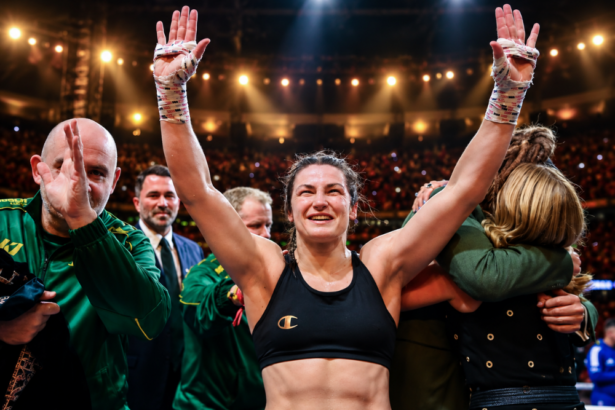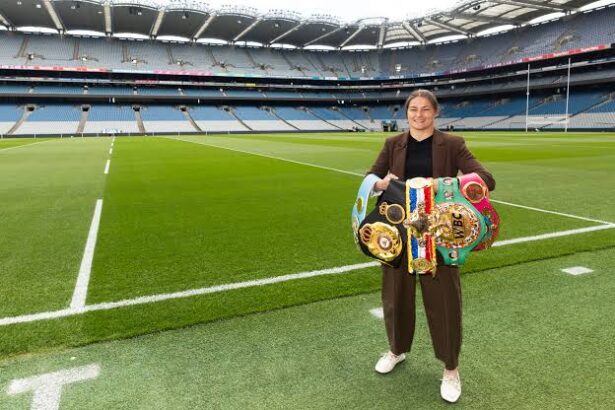


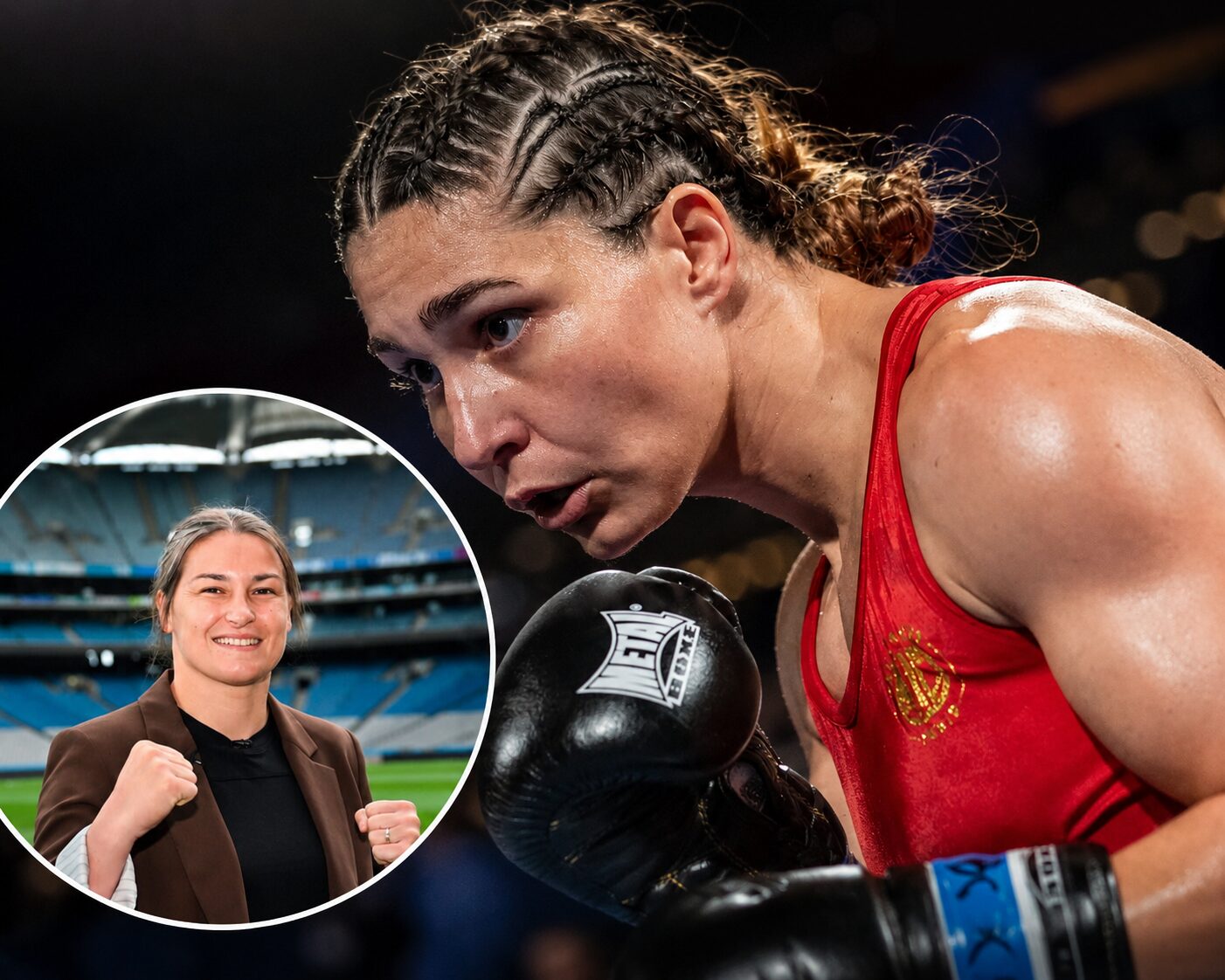
Katie Taylor finally has Croke Park, and for once the scale of the reaction feels equal to the athlete.
The fight sold out in the sort of rush that tells its own story. More than 80,000 people will gather on September 5 to watch Taylor fight at the stadium she has spoken about for years, in the city and country that have followed her from amateur prodigy to Olympic champion to undisputed professional great. It is a rare thing in Irish sport: a national moment that feels neither manufactured nor exaggerated.
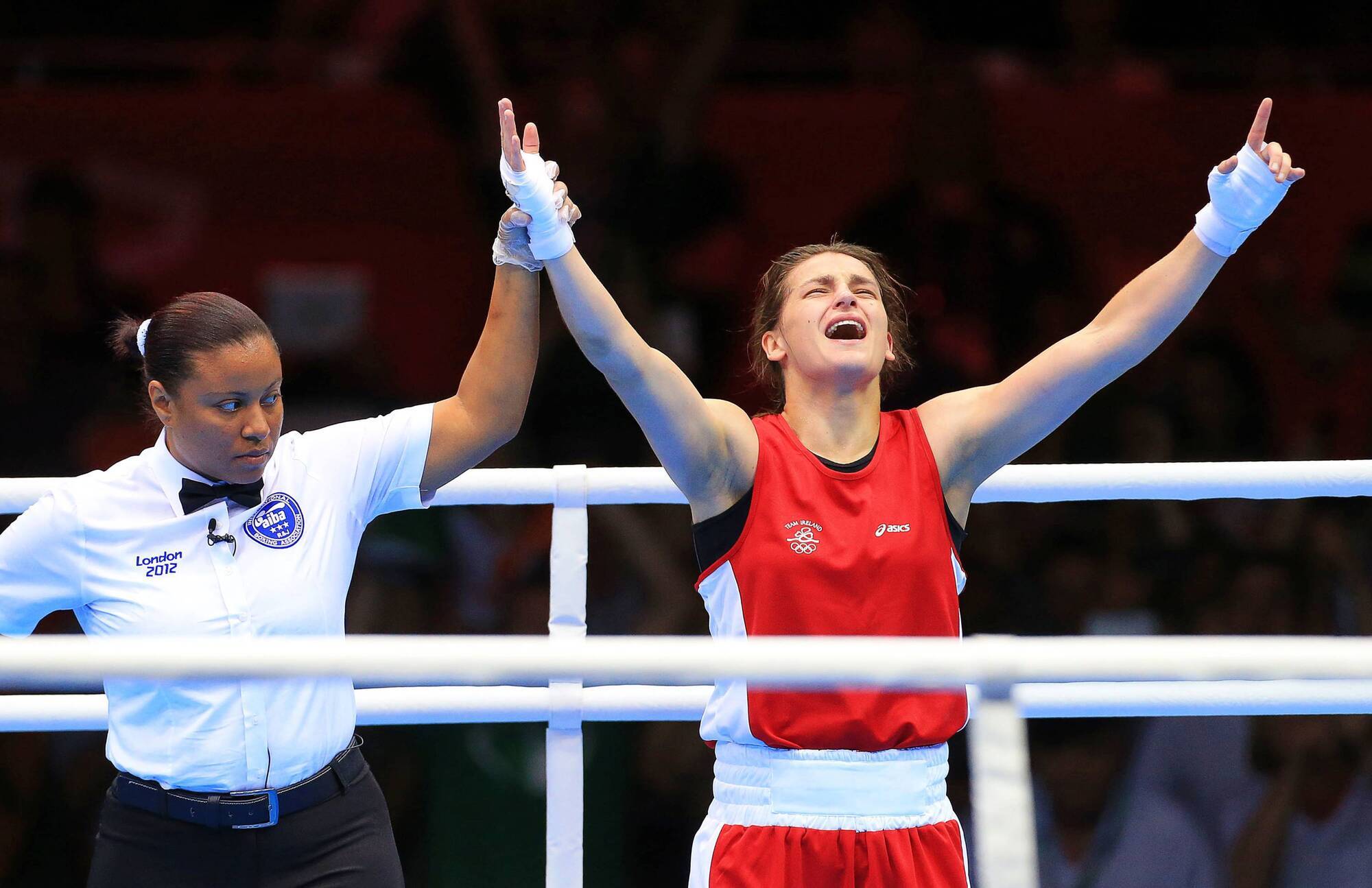
Taylor has earned that kind of noise. She is among Ireland’s greatest athletes, and a reasonable argument can be made that she sits at the top of that list. Olympic gold. World titles. Undisputed championships. A career that changed the public standing of women’s boxing and, more quietly, changed what girls in boxing gyms were allowed to imagine for themselves. There are sporting achievements that decorate a career. Taylor’s altered the room.
So the attention is understandable. The demand for tickets was understandable. The emotional pull of Croke Park is understandable. Taylor has spent much of her career making history away from home, from London to New York, and now gets the stage in Ireland that always felt like the final missing piece.
Yet amid all of that, one fairly obvious question still needs answering properly.
Who is Flora Pili?
For many Irish fans, Pili may still be little more than the name beside Taylor’s on the poster. That is partly because Taylor’s gravity is enormous. She bends the entire event around her. The venue, the farewell, the belts, the symbolism, the long wait for Croke Park: all of it naturally pulls public attention towards the Bray fighter. Pili enters that story from a very different place, carrying far less recognition and far less noise.
She also enters unbeaten.
Pili is a 28-year-old French super lightweight from Saint-Avold in Moselle. Her professional record stands at 12 wins from 12 fights, with two knockouts. Matchroom’s official fight card lists her against Taylor for the undisputed world super lightweight championship, with Taylor bringing a 25-1 record and six knockouts into the contest. The numbers alone make the contrast in experience clear. Taylor has lived for years at the sharpest end of the sport. Pili is arriving at the largest platform of her career.
That does not make her a random selection. Pili has moved through the division in the way fighters outside the global glare often have to move: accumulate wins, collect titles, climb rankings, wait for the chance that changes the scale of everything.
She has already held the French, European, WBO International and IBO super lightweight titles. Her IBO belt came through victory over Jelena Janicijevic in Saint-Avold in December 2025. Before that, she had beaten Silvia Bortot for the European title in 2023 and Ana Maria Lozano for the WBO International title in 2025. In the WBA’s May 2026 rankings, she was listed at No.4 at super lightweight.
Pili is less well known because she has operated in a different boxing economy, away from the glare Taylor helped create at the top of women’s professional boxing. Her career has largely unfolded in France, with repeated appearances at L’Agora Champ de Foire in Saint-Avold. Croke Park is a different universe entirely. It is also the sort of universe fighters spend careers trying to reach.
Pili’s amateur career adds another layer. She won French youth and senior national titles in 2015 and 2019 and competed internationally before turning professional in 2019. She has boxed in Dublin before, too, appearing in an international round-robin tournament at the National Stadium in 2017, where she faced Kellie Harrington. That connection will naturally interest Irish boxing fans, even if it belongs to a different stage of her career.
Pili came from the long route. From Saint-Avold. From French domestic titles. From European level. From 12 professional wins. From the machinery of sanctioning bodies and title ladders. From the part of the sport where recognition is usually delayed until opportunity arrives.
Her own words at the launch carried the right tone. She called Taylor “one of the greatest champions in the history of women’s boxing” and described the fight as the biggest opportunity of her career. That is not empty politeness. It is the factual condition of the bout. Croke Park is Taylor’s long-awaited homecoming and farewell. For Pili, it is the night that brings her career into full public view.
Taylor deserves the grandeur. She deserves the walk, the noise, the packed stadium, the sense of a country finally placing her in the setting her career merits. Irish sport has had plenty of time to appreciate her and still, somehow, this feels like a correction arriving late. Croke Park suits the scale of what she has done.
Pili deserves to be seen clearly within that grandeur. She is unbeaten. She is a champion. She is a leading contender in the division. She is taking on one of the greatest fighters women’s boxing has produced in the largest sporting environment of her life. That is enough to merit serious attention before the first bell.
For Ireland, September 5 will be about Katie Taylor. It could hardly be anything else. It will be about gratitude, history, pride and the rare chance to watch one of the country’s defining athletes take her final bow on home soil.