

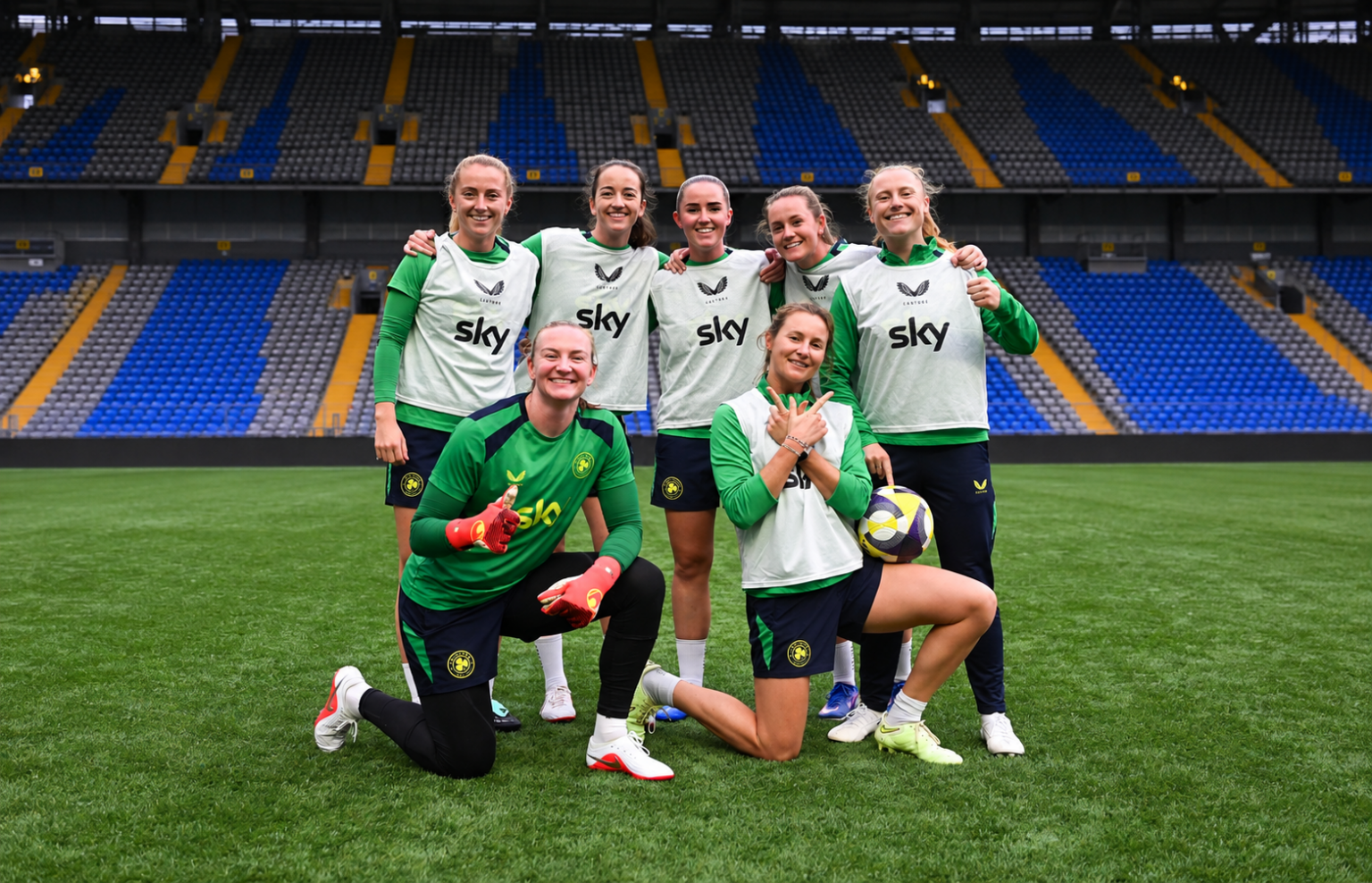
At 12pm today, the Republic of Ireland women’s football team will kick off one of the most important matches of their year. But how many people in Ireland actually know it’s happening?
Yesterday, we asked members of our WhatsApp community how much they had seen about Ireland’s upcoming World Cup qualifier against Kazakhstan. Of the 600 people who responded, 40% said they wouldn’t have known the match was happening. Half said they had seen something about it, while the remaining 10% had seen plenty.
Consider who was being asked. This is a community who have actively chosen to follow women’s sport. People who want updates, follow athletes and care about what is happening across the sporting world.
The poll was informal and the results cannot tell us how aware the wider Irish public is. But they raise a question worth asking. If four in ten respondents in a dedicated women’s sport community were unaware of the fixture, what chance does the casual supporter have?
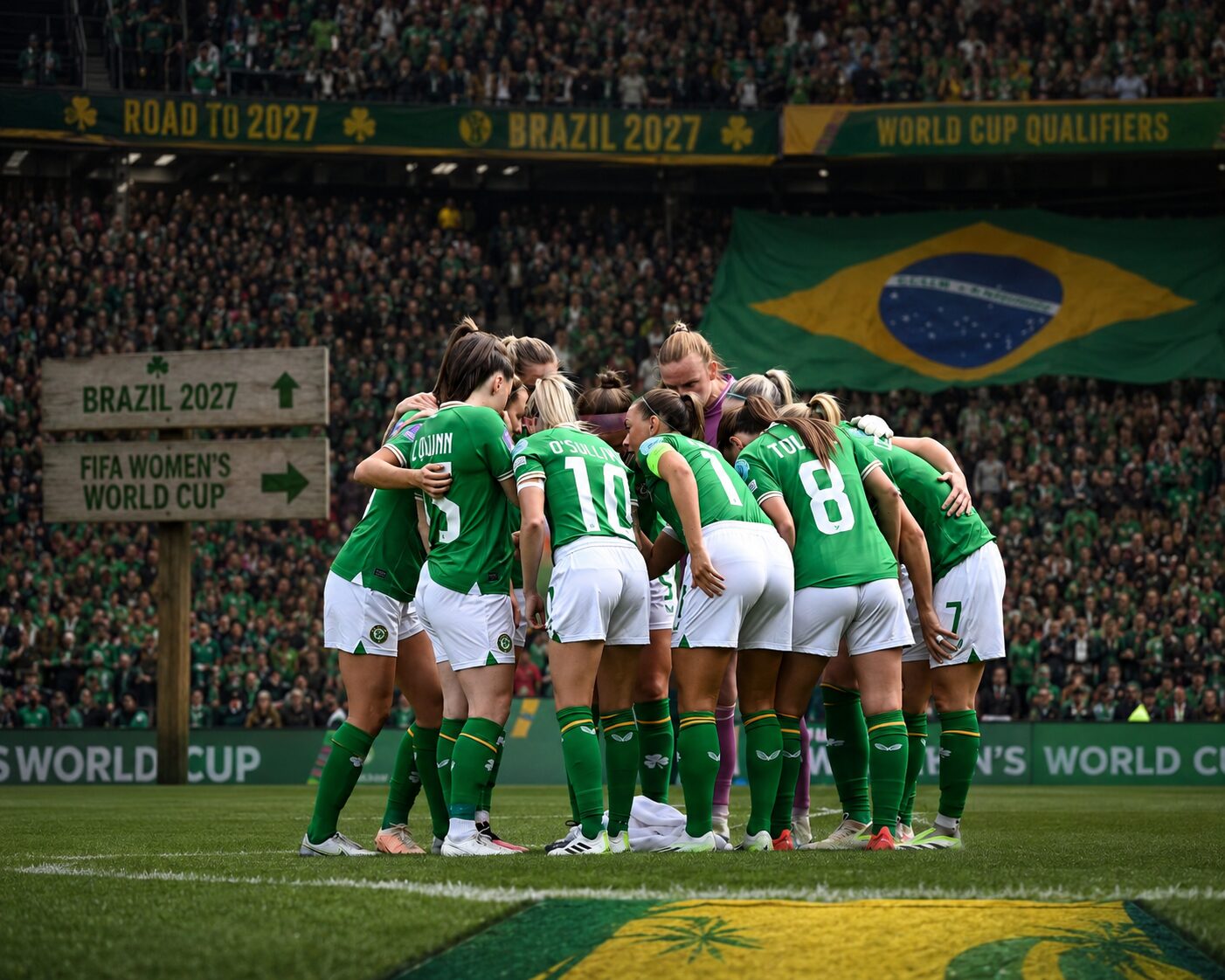
Ireland are beginning a World Cup play-off campaign. The prize is a place at the 2027 FIFA Women’s World Cup in Brazil, which would be the country’s second consecutive appearance at the tournament. Today, Carla Ward’s side face Kazakhstan at the Astana Arena. The return leg takes place at Páirc Uí Chaoimh in Cork on Tuesday, 13 October.
Win the tie and Ireland will face either Belgium or Poland in the final European play-off round, with two more matches standing between them and a place in Brazil. Four matches. One World Cup place to fight for. And yet, where is the sense of occasion?
Have we forgotten Australia 2023?
Three years ago, the Republic of Ireland played at the Women’s World Cup for the first time. Their opening match against Australia in Sydney was one of those occasions that reached well beyond the usual football audience.
People arranged their days around the match. Families watched together. Girls saw Irish players competing on the biggest stage in their sport. Katie McCabe, Denise O’Sullivan, Courtney Brosnan and their teammates became familiar names in households that might never previously have followed an international women’s football match.
Ireland did not progress beyond the group stage, but the significance of qualification went well beyond the results. The impact could be seen in the interest surrounding the team and the growing numbers taking part in the game. In figures published by the FAI in 2024, 45,000 women and girls were registered on FAI Connect as regular competitive players. Thousands more were participating in schools competitions, football camps and introductory programmes.
The association explicitly linked the increase in participation and interest to the 2023 World Cup, alongside the work being carried out by clubs, coaches and volunteers across the country. It is difficult to separate precisely how much of that progress came directly from the tournament. But the value of seeing your country at a World Cup is hard to dismiss.
For many young players, international football suddenly felt closer. And now Ireland have a chance to get there again. So why does the build-up feel so quiet?
We cannot wait until the World Cup to care
There is a habit in Irish sport of getting behind a team once it has reached the biggest stage.
We love a national occasion. We love an underdog. We love the excitement of watching Irish athletes compete against the world’s best. But those occasions have to be earned.
Before Australia, there were qualification matches, difficult results, decisive performances and the work of players and coaches away from the attention of the wider public. The same is happening now.
Ireland have already fought through their qualifying group to reach these play-offs. In June, they beat the Netherlands 3-2 in Cork, with Amber Barrett scoring a late winner at Páirc Uí Chaoimh. That was a result worth celebrating. It also helped place Ireland in the position they find themselves in today.
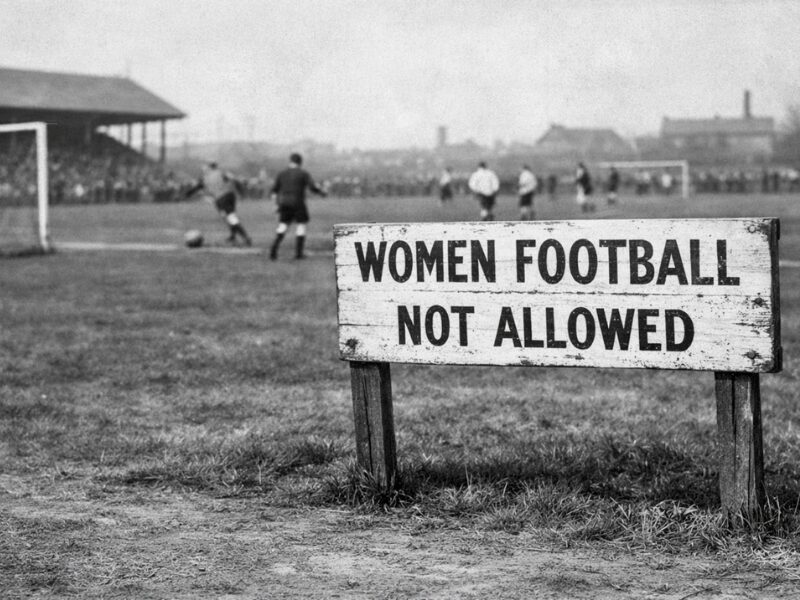
But the next part of the campaign deserves attention before anyone knows whether it will end in qualification. Otherwise, we are sending an unfortunate message about what we consider worth following. That a women’s national team becomes a major story once it reaches a World Cup, but the qualifying matches that make the appearance possible remain something for the most dedicated followers.
That shouldn’t be the standard.
Visibility cannot depend on one big moment
None of this means every international fixture should dominate the sports pages for a week. Today’s match takes place at lunchtime on a Friday, thousands of kilometres from home. It is against a country Ireland are expected to beat, and the World Cup itself is still nine months away.
Those factors affect how a match is discussed and watched. There are also legitimate editorial decisions to make in a crowded sporting calendar. But this is a World Cup play-off involving the Republic of Ireland. It is difficult to argue that the stakes are insignificant. And the scale of the occasion should not be determined entirely by the reputation of the opposition.
The responsibility is shared. Governing bodies need to keep finding ways to reach people beyond their existing followers. Broadcasters and media organisations need to give audiences reasons to pay attention. Publishers have a responsibility to examine their own coverage and ask whether they have done enough.
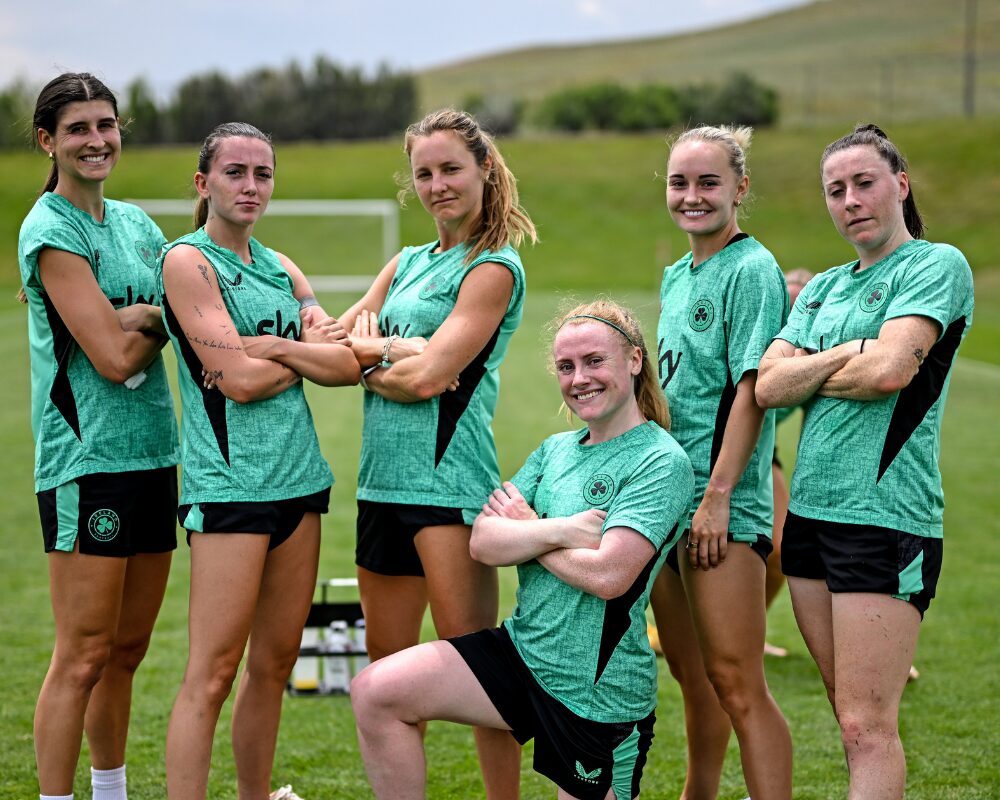
Ireland are without suspended captain Katie McCabe and Marissa Sheva for the first leg. Denise O’Sullivan has not travelled to Kazakhstan, while Jess Ziu is unavailable through injury.
Ward has decisions to make, and the team must negotiate an away fixture in unfamiliar conditions before returning home to Cork.
What happens if Ireland qualify?
Imagine Ireland secure a place at the World Cup in Brazil next summer. There will be celebrations, television coverage, interviews, photographs, sponsorship campaigns and renewed discussion about the importance of women’s football.
There will be conversations about what qualification means for girls playing football in Ireland. Those conversations will be deserved.But imagine, instead, that Ireland fall short.
Would we look back and wish there had been more attention? More people watching? A greater sense that the country was behind them while the opportunity was still there?
The players will decide what happens on the pitch. Their performance does not depend on the scale of the headlines. But the attention we give them says something about how seriously we treat their achievements and the competitions they enter.
Ireland have already experienced what reaching a Women’s World Cup can mean. We have seen the interest, the excitement and the opportunities that followed. We should not need another qualification celebration to remember why this team deserves our attention.
At 12pm today, Ireland face Kazakhstan in the first leg of their World Cup play-off, live on RTÉ2 and RTÉ Player. If that comes as news to you, perhaps that is the point.