


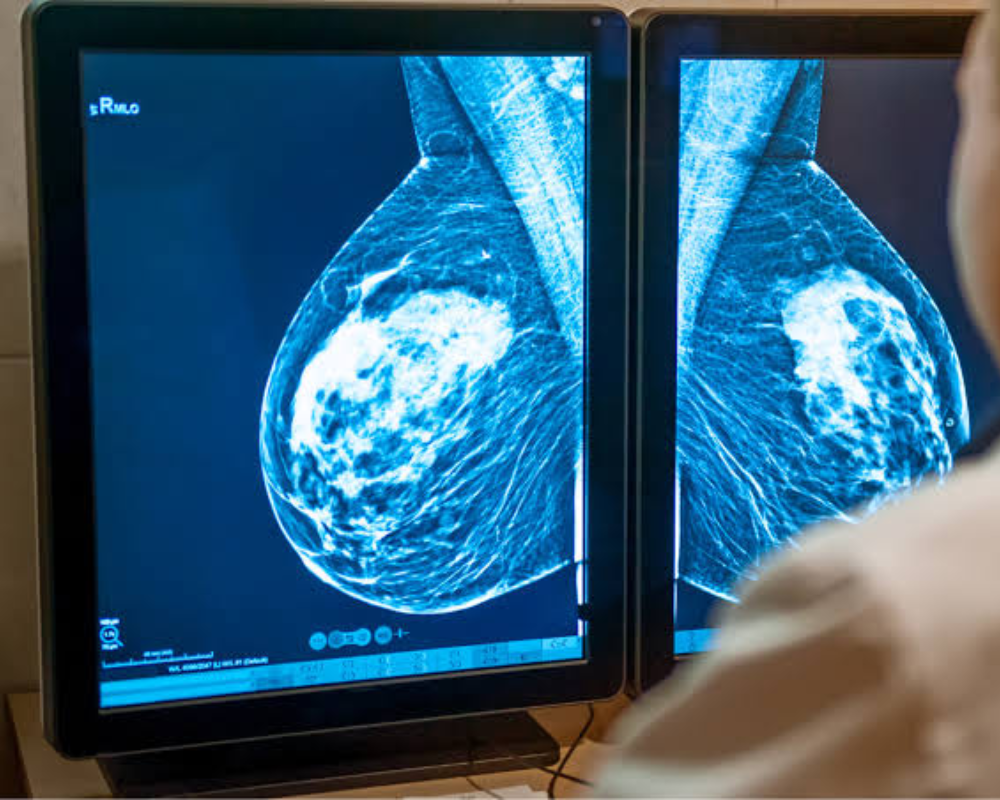
A mammogram can tell a woman whether she has dense breasts. In Ireland, that information is usually left unsaid.
That is the uncomfortable starting point when it comes to breast density. Dense breast tissue is common. The HSE says around half of women have it. It also says breast cancer risk is higher in women with the densest breasts than in women with less dense breasts and that dense tissue can make mammograms harder to read because both dense tissue and cancer can appear white on the image.
This is where the argument begins.
BreastCheck is Ireland’s free national breast screening programme for women aged 50 to 69 who have no symptoms. It offers mammograms about every two years. The programme is designed for population screening, which means it works by offering the same test to a defined age group, rather than tailoring every screening pathway to every individual risk factor.
If density is visible on a mammogram, if it can make cancer harder to detect and if it is linked to increased risk, many women will reasonably ask why they are not routinely told.
The HSE position is that BreastCheck does not currently collect or report breast density as part of the screening programme. It says any change to population screening in Ireland has to be assessed through the National Screening Advisory Committee and that current European guidance does not recommend routine extra testing, such as ultrasound or MRI, solely because a woman has dense breasts in an organised screening programme.
That is the careful institutional answer. It is not a satisfying answer for everyone.
Campaigners argue that notification is not the same thing as automatic extra screening. A woman can be told her breast density without immediately being sent for another test. She can use the information in a GP conversation, in family risk discussions, or in deciding whether to seek private advice. The Irish Cancer Society also states plainly that in Ireland, breast density is not currently recorded during BreastCheck screening mammograms, and that dense tissue can make cancer harder to spot.
HIQA began an assessment in March on including breast density within the BreastCheck screening pathway. That assessment exists because the policy question is no longer theoretical: should density be measured, should women be informed and what would the health service need to do next if that became standard practice?
There are real reasons to move carefully. Extra imaging can mean more false positives, more recalls, more biopsies, more anxiety and more pressure on a system already under strain. Screening programmes have to balance benefit and harm across a whole population. It is the reason the question needs evidence rather than slogans.
There is also a simpler point. Many women do not know what dense breasts are until they are forced to learn under frightening circumstances. That is a poor way to educate people about their own bodies.
For women reading this now, the practical advice is still clear. Attend BreastCheck when invited. Check your breasts regularly. Do not wait for a screening appointment if you notice a lump, skin change, nipple change, discharge, persistent pain or anything unusual for you. Screening is for people without symptoms. Symptoms need medical advice.
Ask questions. Know your normal. Push for information you can understand.