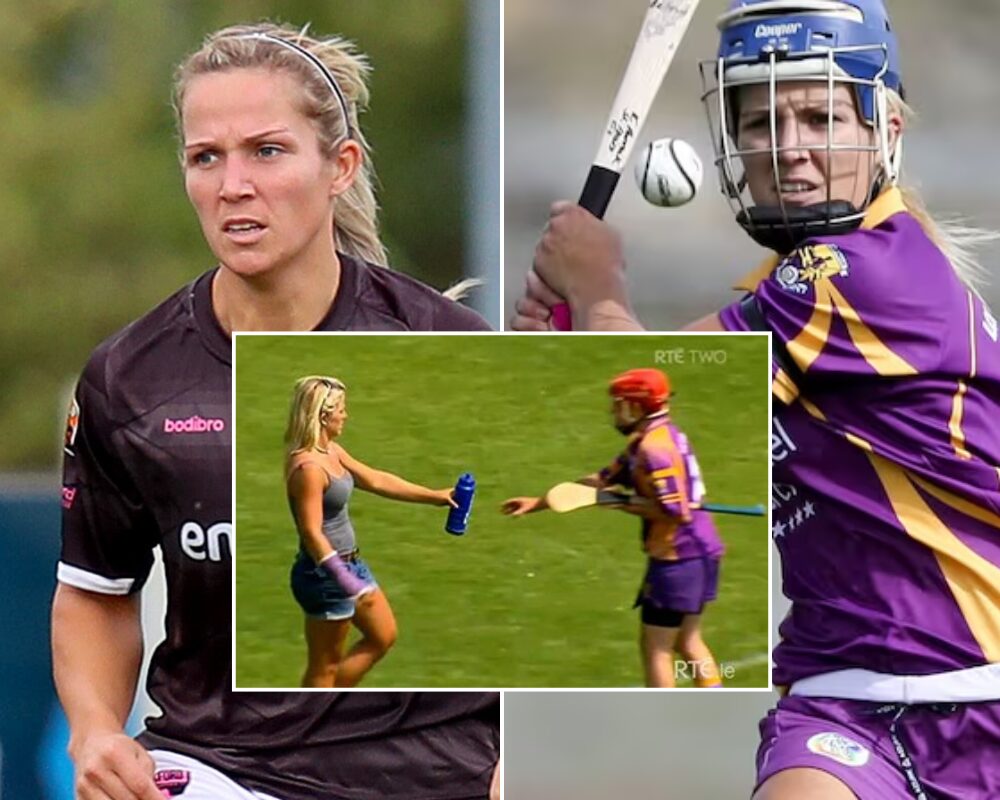
Having experienced sexism at the hands of online trolls, Katrina Parrock knows the cost that can come with being a talented and high-profile sportswoman.
In 2013, after suffering a broken arm, the Wexford camogie player took on a different role as her side faced Kilkenny, acting as water carrier from the sideline. On an Irish summer’s day, wearing everyday clothes, she was filmed handing a bottle to one of her team-mates.
That evening, the clip was shown on The Sunday Game. It soon began circulating online, drawing a stream of derogatory and distasteful commentary. The reaction did not stop at social media. On some websites, Parrock was reduced to the ‘GAA pin-up girl’ of the year.
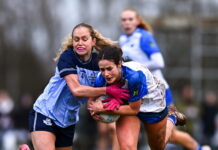
It was a familiar pattern. Sportswomen are too often objectified and sexualised, denied recognition for the very thing that put them in the spotlight in the first place: their talent.
And Katrina Parrock’s talent was extraordinary.
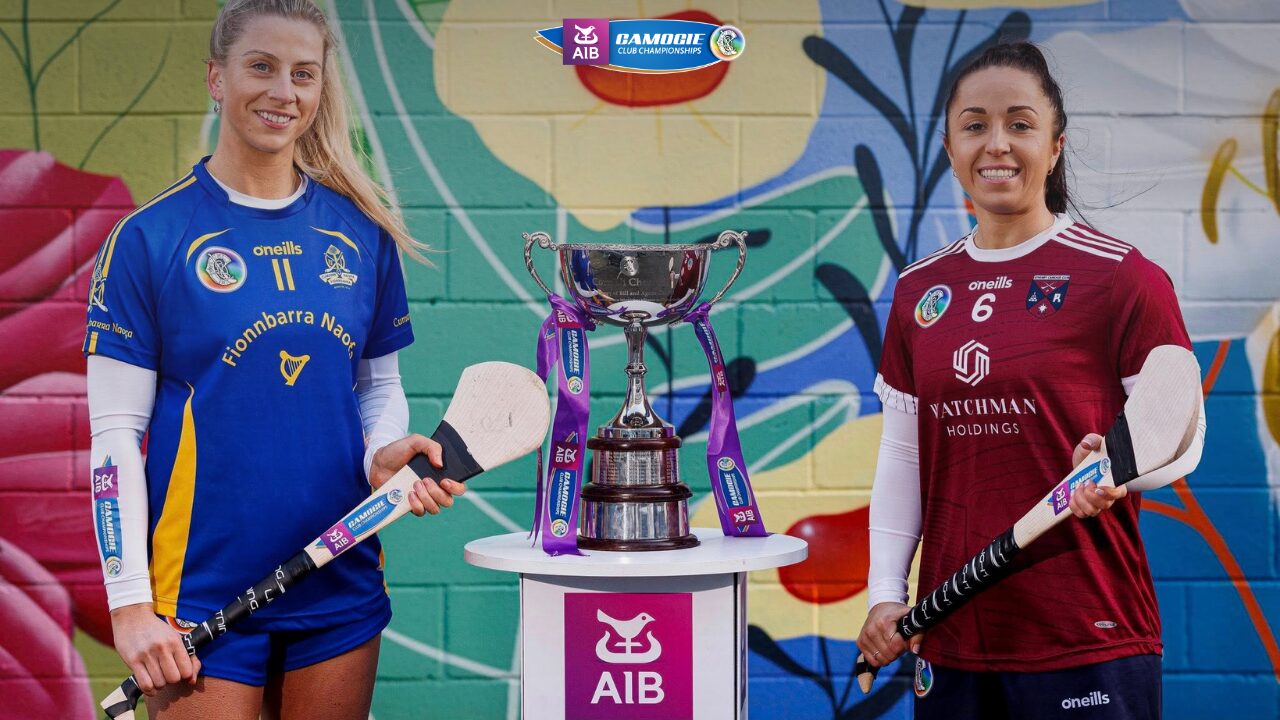
One of the most naturally gifted athletes Ireland has produced, the former camogie star won four All-Ireland Senior Camogie titles and three All-Star awards. After 11 seasons with Wexford camogie, she switched codes and moved into soccer with the same composure and quality. In 2018, she helped Wexford Youths to a league and cup double, scoring the winner in the FAI Cup final.
7 years ago this happened and because I was living in a bubble and achieving my goals I never realised what kind of people there are in society knocking Women In Sport. Absolutely disgusted by these comments https://t.co/eENmzarNdL pic.twitter.com/WzeWLFOqQ8
— Katrina Parrock (@KatrinaParrock) July 28, 2020
Parrock says she was “in a bubble back then”, and paid little attention to the noise, choosing instead to focus on her game. Looking back now, she is clear in her view of it.
“It’s not okay for girls to see that,” she says, explaining that she recently shared a post about the incident to call it out and to make sure those attitudes are challenged.
“They shouldn’t have to deal with that.
“It’s not okay for people to comment on a picture like the way they did in that. It frustrated me so much and I was so mad and that’s the reason why I shared it, it was basically for this not happen again.”
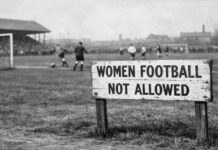
Her point reaches far beyond one clip or one comment section. This is a global issue, and she believes both current and retired athletes need to take a stand. Women are not there to be reduced to an aesthetic. They are competitors, leaders and serious forces in sport and in life.
The problem is easy enough to find. Search for women’s sport on YouTube and the results quickly become disheartening. “50 hottest female athletes ever” sits beside clickbait thumbnails designed to sexualise women rather than celebrate what they can do.
Parrock wants a different standard.
“Girls shouldn’t really be portrayed in images with their nail polish on showing emotions. They should be showing their strength, skill, power and their talent,” she says.
“I think that’s the road we need to take to move on and we’re going to move on as a whole unit of women in sports and try to promote it out there.”
When she thinks back to her own sporting role models, one memory still stands out. Watching the 2005 All-Ireland Camogie final between Cork and Tipperary, she was struck by one player in particular: Una O’Dwyer. It was her skill and physicality that stayed with Parrock.
She credits the Tipperary star with lighting the spark that helped shape her own ambitions. For Parrock, positive representation matters because it gives young girls something powerful to aim towards. Dreams need somewhere to begin.
She believes coverage of women’s sport has improved in recent years, but says there is still “a big gap”, particularly when it comes to sponsorship and the value placed on women’s performances and opinions.
“If it wasn’t for the day that I saw Una O Dwyer playing on the television I might have never made it to Croke Park because I may have never had that dream to get there you know. It was just that one day that I witnessed after that drove me on and inspired me to make it to Croke Park and that’s where I got.”
“I think as you know people can’t see them playing, they just can’t and if only television was more out there with women in sports then young girls and boys can see that and then they realize that the females are actually probably as good as the males.”
For all she achieved, Parrock still speaks with real feeling about the moments that mattered most. Of her three All-Ireland titles with Wexford, the 2007 victory remains the standout, ending a 32-year wait for the county. The three-in-a-row in 2012 runs close behind, a “big moment” filled with “amazing feelings” she says she will “never ever forget”.
Her decision in 2007 to focus on camogie rather than soccer was, she says, “the right decision at the time, and I was very lucky to make that right choice”.
When she returned to football after signing with Wexford Youths in 2017, the transition still demanded adjustment. The fitness levels were different. Matches ran for 90 minutes. There were only 11 players on the pitch. After an illustrious 11-year GAA career, she had to reacquaint herself with the game at an elite level.
Katrina Parrock puts the Youths ahead #rtesoccer #WFAICupFinal pic.twitter.com/qImGm7opnN
— Soccer Republic (@SoccRepublic) November 4, 2018
She did so quickly.
With Wexford Youths, Parrock won two Women’s National League titles and an FAI Cup. In the Aviva Stadium, against Peamount United, she scored the winning goal and collected the Player of the Match award.
Now retired from elite competition, she plays for Terenure Rangers and remains a strong advocate for sport more broadly. It has, in her words, “given [her] everything” from teaching her how to set goals to giving her friendships that have lasted.
And after everything she has achieved, her message remains simple.
“The most important thing is to enjoy it because I always felt when I was growing up if I wasn’t enjoying a sport I wasn’t going to succeed. No matter how hard you try you won’t you know, you have to enjoy it and that’s the main part of it”.