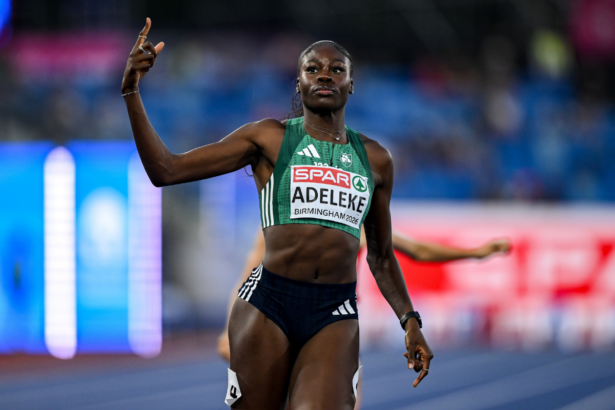


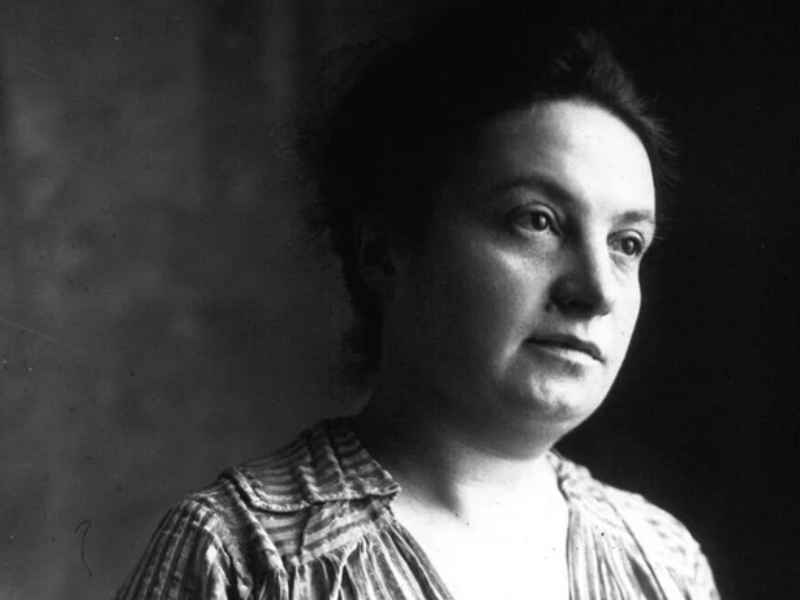
There is a particular irony in Paris being remembered as the host of the first Olympic Games to reach gender parity. For most of the modern era, the city stood as a stage for exclusion.
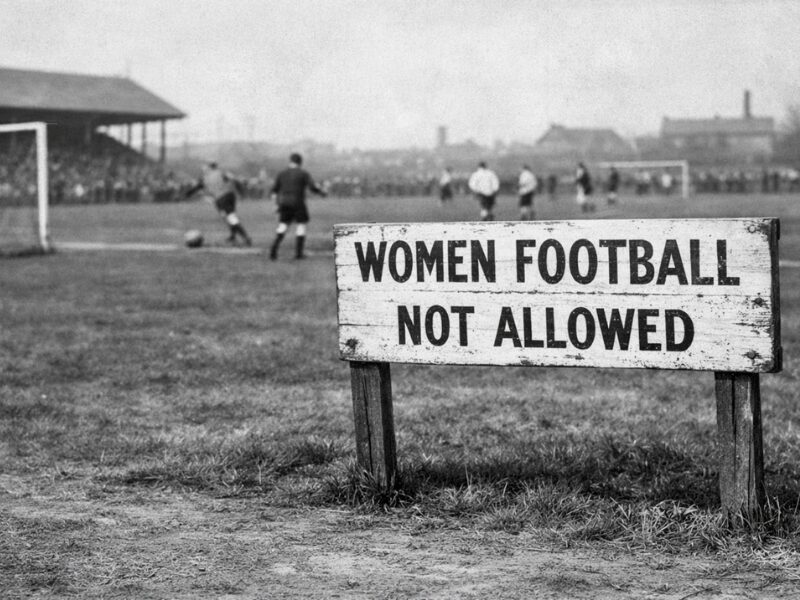
When the Olympics were revived in 1896, Pierre de Coubertin imagined an arena of adult male excellence, watched by women whose role was to applaud, crown the victors and return to the private world from which they were assumed never truly to have emerged. By the time Paris hosted the Games in 1924, women still had no track and field events. They were tolerated in tennis, swimming and croquet, so long as they remained decorative, restrained and faintly apologetic for their presence.
Against that backdrop, it is difficult to overstate how radical Alice Milliat appeared.
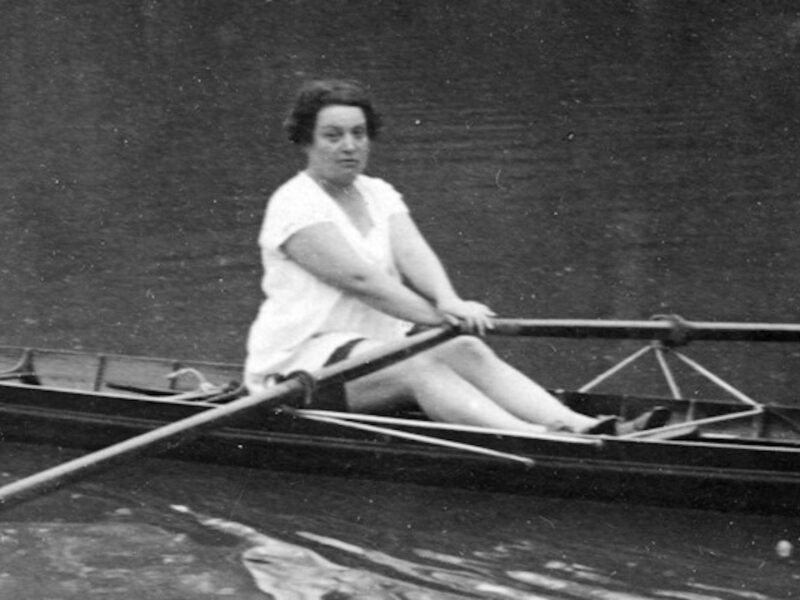
Born in Nantes in 1884, she grew up in a France that had little interest in women who wanted to test the limits of their bodies. Sport was seen as unbecoming, faintly dangerous, potentially corrupting. The fear, repeated with weary certainty by doctors and commentators, was that physical exertion would harden women, blunt their femininity, compromise their ability to bear children. Milliat rejected the premise entirely. She rowed, cycled, swam, played hockey. She completed a 50-kilometre solo rowing challenge in under 12 hours. She wrote, published and argued. The body, she believed, was not a liability to be managed. It was a site of possibility.
The First World War unsettled the logic of exclusion. With men at the front, women worked in factories, drove trams, ran offices. The claim that women were too fragile for physical strain began to look thin. Sport followed society. Clubs for women appeared across France. Football and rugby matches were played in public by women wearing shorts, refusing the safe enclosure of genteel gymnastics.
The reaction was predictable. The spectacle was mocked. The muscles were scrutinised. The very visibility of women competing became a provocation.
Milliat moved from participation to organisation. In 1917 she helped found the Fédération des Sociétés Féminines Sportives de France. In 1919 she asked the International Olympic Committee to include women’s athletics. The request was dismissed. Pierre de Coubertin remained unmoved, describing the Olympic Games as the periodic exaltation of male athleticism, with female applause as its reward. A women’s Olympiad, he said, would be impractical and unattractive.
So Milliat built what she had been denied.
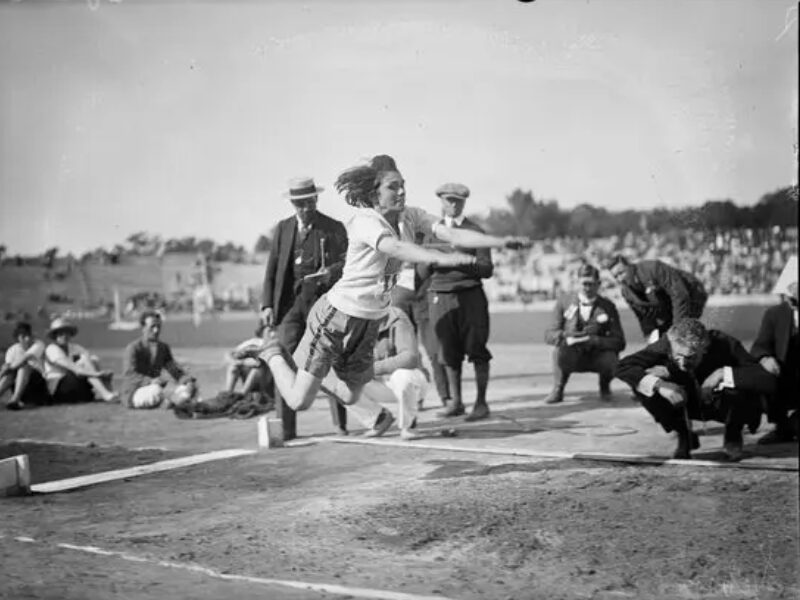
In 1921 she created the Fédération Sportive Féminine Internationale, a structure through which women could organise themselves across borders. The following summer, in August 1922, 77 athletes from five countries gathered at Pershing Stadium in Paris for what became known as the Women’s Olympic Games. They contested 11 track and field events in front of around 20,000 spectators. The crowd was curious, loud, occasionally leering. The press oscillated between surprise and hostility. One newspaper lamented that too many spectators were watching bare legs rather than technique. Another described the scene as a spectacle of physical decay.
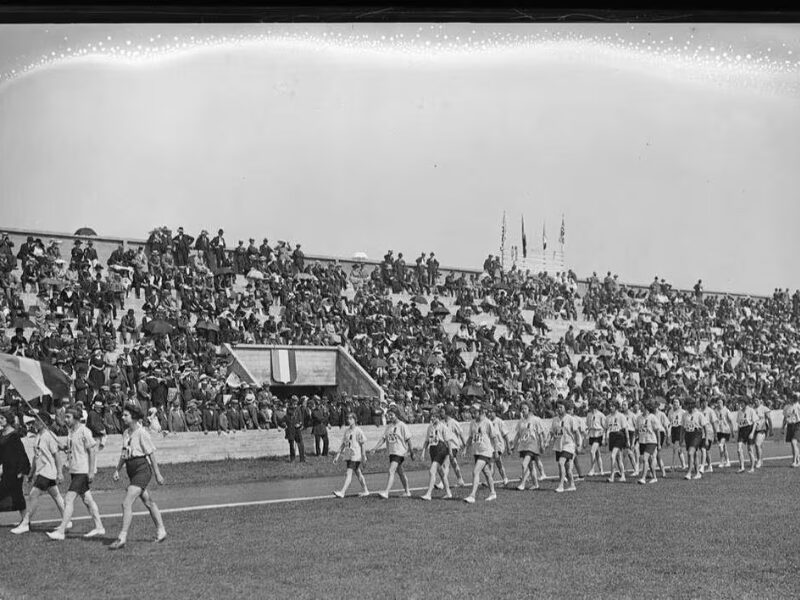
The response from officialdom was sharper. The use of the word “Olympic” was deemed illegal. The governing bodies of men’s athletics were furious that an international competition had taken place beyond their jurisdiction. Milliat complied with the letter of the demand and ignored its spirit.
The Games were renamed the Women’s World Games and staged again in Gothenburg, Prague and London. Each edition was better attended than the last. Each performance made it harder to maintain the fiction that women were incapable of sustained athletic excellence.
There was a grudging concession. In 1928, in Amsterdam, women were finally admitted to a small programme of track and field events at the Olympic Games. The decision owed more to the organisers’ desire to capture the attention the Women’s World Games were attracting than to any conversion to equality. When competitors collapsed after the 800 metres, officials reacted with panic. The distance was removed from the programme for more than three decades. Progress arrived in fragments and was withdrawn just as easily.
Behind the scenes, resistance hardened. Leaders of men’s federations corresponded about how to curb the spread of women-run structures. The aim was not to include women on equal terms, but to fold them into systems that remained under male control. The economic depression of the 1930s, coupled with Milliat’s failing health, brought the Women’s World Games to an end after 1934. The architecture she had built endured. The momentum slowed.
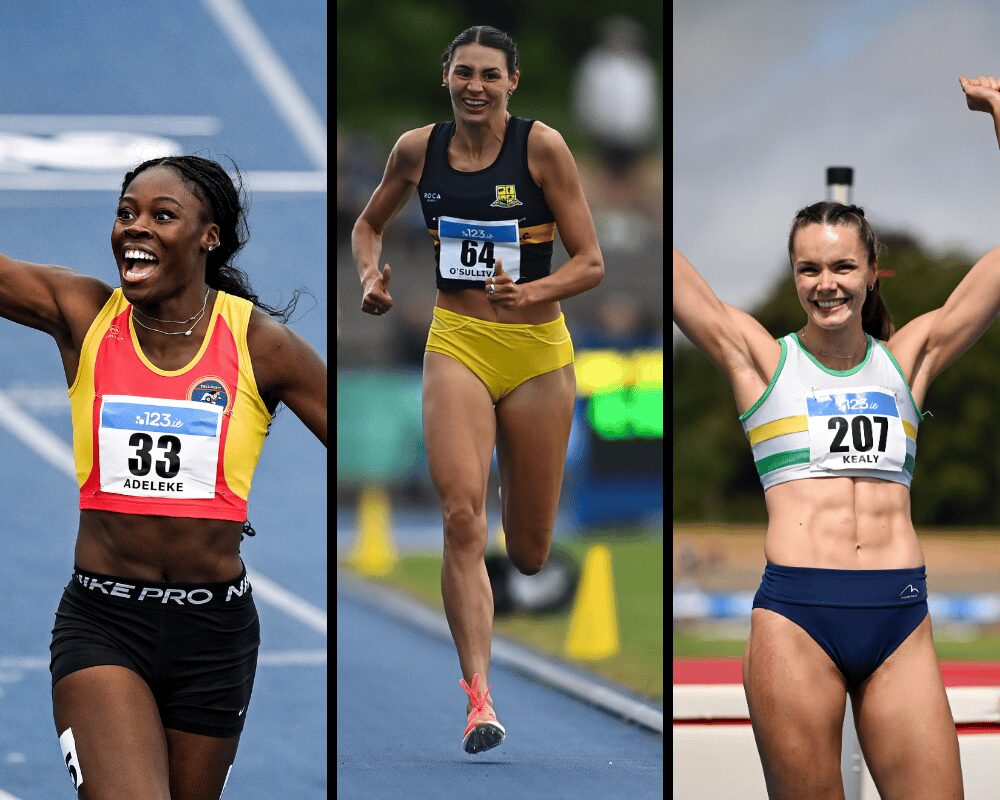
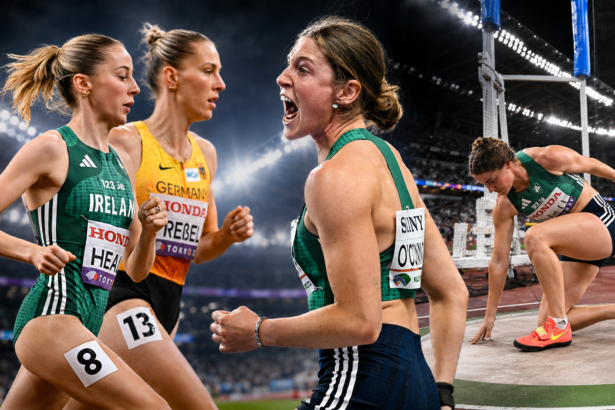
By the early 1970s, fewer than 15 per cent of Olympic athletes were women. The shift that followed came from beyond sport. United Nations directives reframed physical activity as a matter of health and rights. The Olympic Charter was amended to include equality. New sports were required to offer women’s competitions. In 2012, women competed in every sport on the Olympic programme for the first time. In Paris in 2024, the number of women and men on the field of play was finally equal.
Even then, parity remained partial. There were fewer events for women than for men. Coaching and leadership roles across international sport remained overwhelmingly male. Athletes continued to find their bodies scrutinised in ways their male peers did not. The language of equality arrived faster than its reality.
Milliat did not live to see this settlement. She died in 1957, long before women’s rowing reached the Olympic programme, long before women’s boxing was admitted, long before endurance events were opened on equal terms. In France, she was slow to be commemorated. A statue now stands in her honour in Paris, placed beside one of de Coubertin. When the opportunity arose to name a venue after her during the Paris Games, a corporate sponsor was chosen instead. Even in recognition, the old hierarchies intruded.
Her story endures because it refuses tidy resolution. She understood that political rights and physical freedom were intertwined. She campaigned for women’s suffrage while building institutions for women’s sport. She grasped that exclusion in one arena reinforced exclusion in another. The right to vote and the right to run belonged to the same argument for visibility.
Paris now sits on both sides of her story: once a city that embodied the limits placed on women in sport, later the site of a symbolic milestone she helped make possible. The distance between those two moments is the space her work opened.